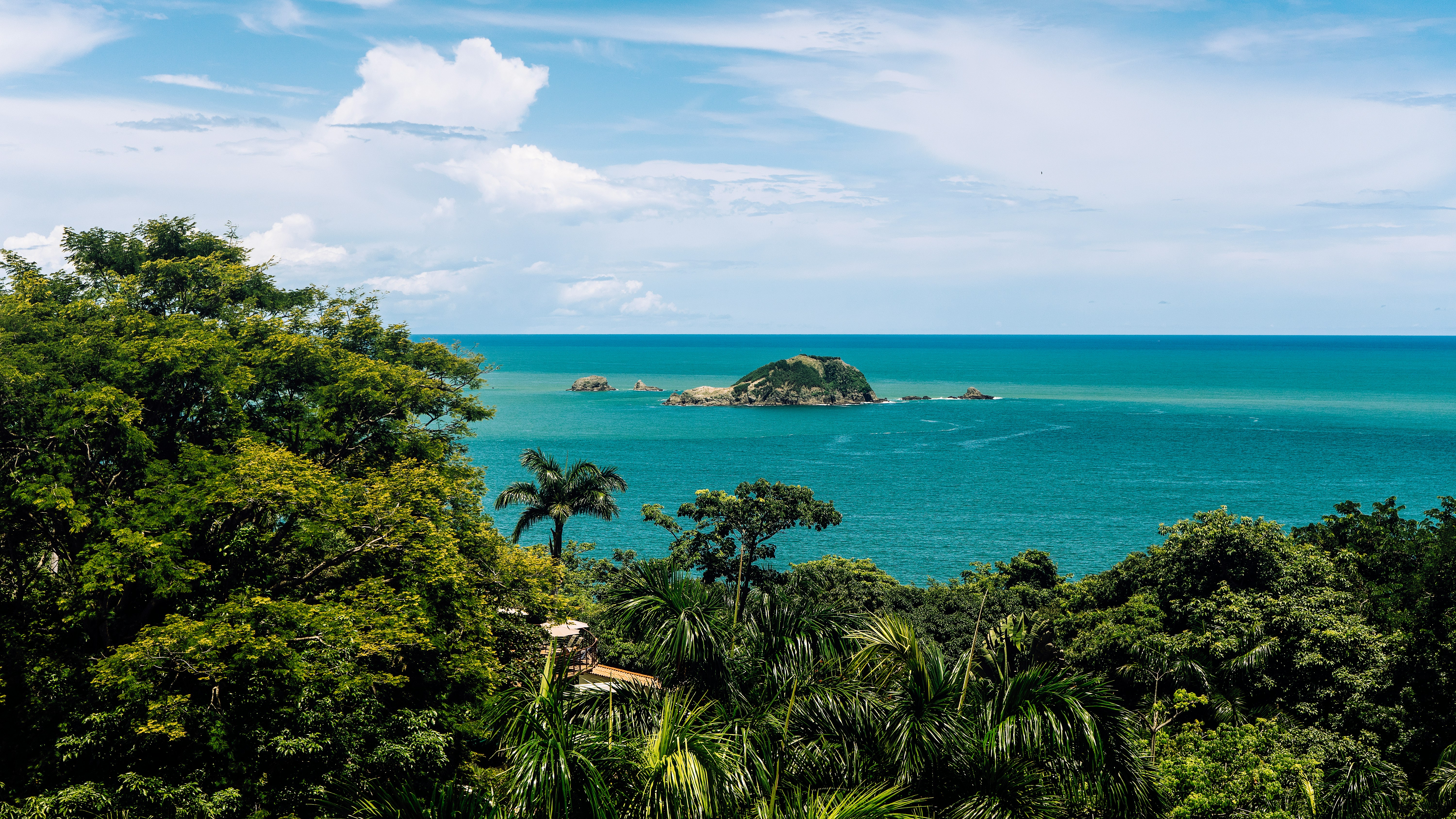
Considering retiring in Costa Rica? This guide walks through sample monthly budgets, healthcare costs, and visa residency requirements to give you a realistic starting point for deciding if it's the right move.
Retirement doesn't always come down to how much you've saved. Sometimes it comes down to where you spend it. As costs keep climbing across the United States, a growing number of Americans are finding that the retirement they pictured is more attainable overseas.
Costa Rica has sat near the top of that list for decades, pairing a lower cost of living with political stability, a well-regarded healthcare system, and established expat communities. But affordability alone shouldn't drive a decision this size. So, whether you're living on Social Security, a pension, savings, or all three, here's a look at what retiring in Costa Rica can cost.
Why Costa Rica Continues to Attract American Retirees
When researching retiring abroad, Costa Rica almost always enters the conversation. Part of that is straightforward math. According to Numbeo data cited by Taxes for Expats, the overall cost of living runs roughly 20% below the United States, and closer to 34% lower once rent is factored in. The bigger draw, though, may be the country's Pensionado residency program, which requires just $1,000 per month in pension or Social Security income to qualify. For many Americans, their monthly benefit already covers it.
Of course, not every corner of the country is inexpensive. Beach towns command a clear premium, while the inland Central Valley, where most American retirees settle, remains the best value. So rather than asking whether Costa Rica is cheap, the better question is whether your income supports the lifestyle you want. Let's get into it.
The True Cost of Retiring in Costa Rica
Housing is typically where retirees see the greatest savings. A comfortable two-bedroom rental in a Central Valley town generally runs $650 to $1,200 per month, well below a comparable property in most American cities. Utilities add roughly $100, and unlimited internet about $60.
Groceries, transport, and dining also land below U.S. levels, especially if you shop at local ferias (farmers markets) and eat at neighborhood sodas rather than tourist restaurants. Imported goods are the exception. Costa Rica taxes imports heavily, so American brands, wine, and electronics often cost more than they do back home.
A Sample Monthly Retirement Budget
While costs shift by city and lifestyle, most retired couples can expect to spend between $2,000 and $3,900 USD per month in Costa Rica's most popular destinations, with the Central Valley at the low end and the beach towns at the top.
Estimated monthly costs for a retired couple, in USD
Utilities & Other covers electricity, water, internet (about $60 for unlimited service), phone, and household basics. Coastal homes run higher because of air conditioning. Figures are estimates and vary by lifestyle and neighborhood.
For direct comparison, a couple living comfortably in a mid-size U.S. city such as Raleigh or Tulsa may spend $4,200 to $5,000 per month, largely because housing and healthcare cost significantly more. Want to see how your own income compares? Run your numbers through our retirement affordability calculator.
Comparing These Four Popular Retirement Destinations
Where you settle affects your monthly budget more than almost anything else.
Atenas
Atenas is one of the best-known retirement towns in the Central Valley, drawing Americans and Canadians with its mild year-round climate and established expat community. A couple renting a two-bedroom home, cooking most nights, and using public healthcare can generally live on $2,000 to $2,500 USD per month.
Grecia
Grecia sits nearby and offers a similar lifestyle at a slightly lower cost, with a more local feel. Retirees like its walkable center and proximity to San José's hospitals, though those wanting a large English-speaking community may find it quieter.
Escazú
Escazú, an upscale San José suburb, suits retirees who want modern amenities, private hospitals, and gated communities. Two-bedroom rentals run $1,000 to $1,500 USD monthly, and a couple carrying private insurance and dining out regularly should budget $3,300 to $4,000.
Tamarindo
Tamarindo, on the Guanacaste coast, attracts retirees after a beachfront lifestyle. Housing runs 30% to 50% above the Central Valley, with two-bedroom rentals reaching $1,500 to $3,200. Even so, many retirees spend less than they would on the coast in Florida or California.
Healthcare and Insurance
Onto healthcare, usually the biggest concern for Americans retiring abroad. Costa Rica runs a universal public system through the Caja Costarricense de Seguro Social (CCSS), known as the Caja, and legal residents must enroll. Contributions are based on declared income. Coverage includes doctor visits, hospital stays, surgeries, lab work, and prescriptions with no deductibles or copays.
One important consideration is that Medicare does not cover care received outside the United States. Because of this, many retirees pair the Caja with a private policy for shorter waits and greater provider choice.
Getting down to brass tacks, a private GP visit costs $60 to $75 USD, with specialists at hospitals like CIMA or Clínica Bíblica running $50 to $150.
Social Security and Residency
Most Americans can continue receiving Social Security while living in Costa Rica, paid into a U.S. bank account or another approved method.
For residency, there are three main paths. Pensionado requires $1,000 per month in verified pension or Social Security income. Rentista requires $2,500 per month for two years or a $60,000 deposit in a Costa Rican bank. Inversionista requires a qualifying property or business investment: $150,000 under the Law 9996 investment incentive, though the standard threshold is $200,000, so confirm current terms with an immigration attorney. Expect a $250 application fee plus document authentication, with renewals every two years.
The Trade-Offs of Retiring in Costa Rica
The financial advantages are real, but relocating requires adjustments. Bureaucracy moves at its own pace, and residency paperwork often takes longer than newcomers expect. English is common in expat areas and private hospitals, though functional Spanish makes daily life considerably easier outside the Central Valley.
That's why most advisors recommend renting for at least a year before buying, long enough to test the location and your real monthly expenses before committing.
Is Costa Rica Right for Your Retirement?
Costa Rica earns its reputation as one of the most accessible retirement destinations for Americans because it offers something increasingly hard to find: a comfortable lifestyle without dramatically increasing your retirement income. Lower housing costs, a functional public healthcare system, an unusually low residency threshold, and a short flight home make it a serious option.
Start by comparing your monthly income against the budgets above. If the numbers work in the Central Valley, they will likely work almost anywhere in the country. For the full picture, explore our Costa Rica country profile.
Related Articles
 Cost of Living
Cost of Living in Panama: A Complete Guide for American Retirees
Wondering if your retirement income can support a comfortable life in Panama? This guide walks through sample monthly budgets, healthcare, and the Pensionado visa to give you a realistic starting point.
 Cost of Living
Cost of Living in Mexico: A Complete Guide for American Retirees
Wondering if you can afford to retire in Mexico? This guide walks through sample budgets and key costs to help you decide if it's the right move for your retirement.
 Cost of Living
Cost of Living in Spain: A Complete Guide for American Retirees
Considering retiring in Spain? Look into cost of living, healthcare, requirements for residency, and what your retirement budget could afford.