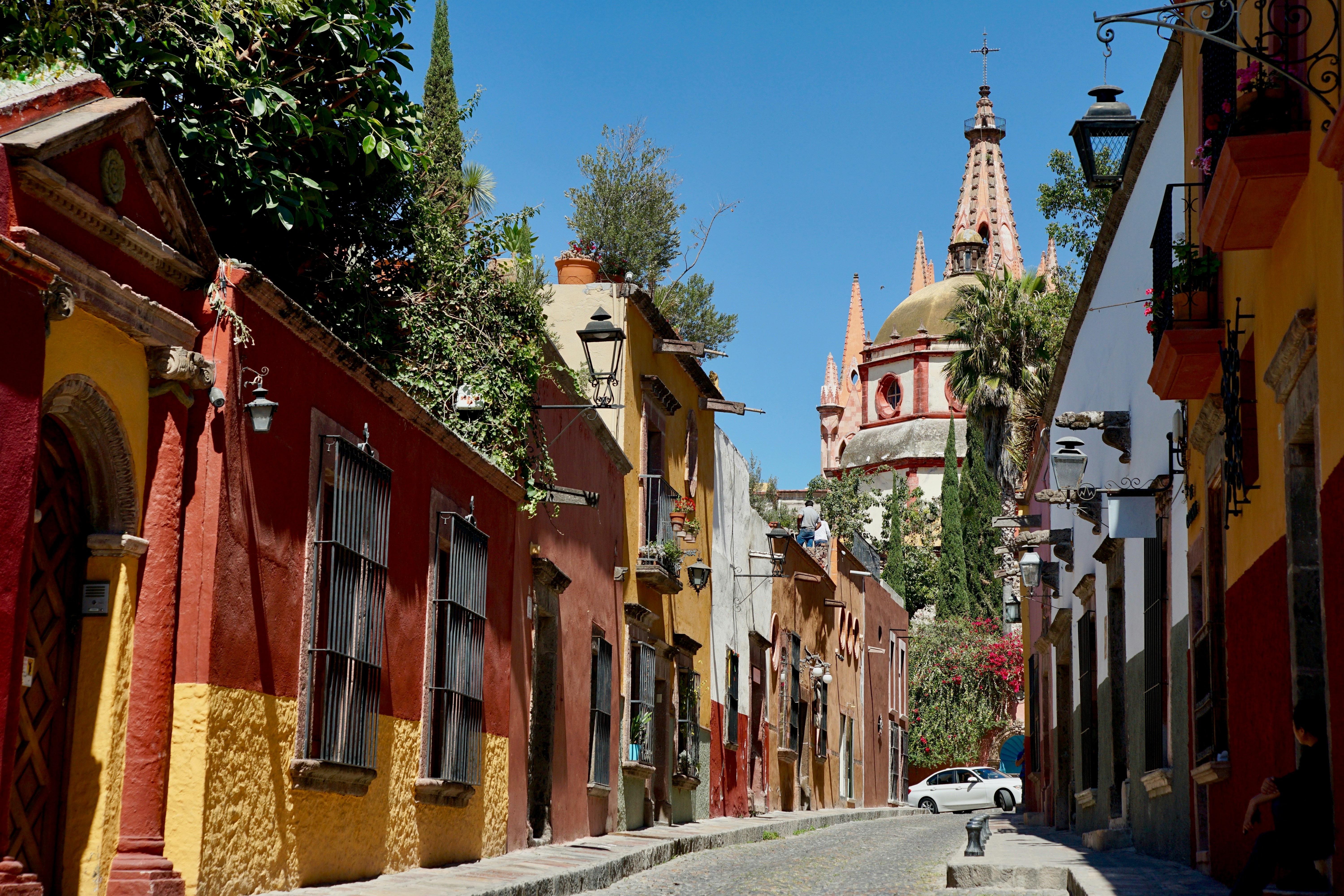
Wondering if you can afford to retire in Mexico? This guide walks through sample budgets and key costs to help you decide if it's the right move for your retirement.
Retirement doesn't necessarily require a larger nest egg — it may simply require a different place to live. As expenses continue to rise across the United States, many Americans are discovering that the retirement they imagined may be more affordable down south.
Mexico has long been one of the most popular retirement destinations for Americans and it isn't difficult to see why. It offers a lower cost of living than much of the U.S., established expat communities, modern healthcare, and the convenience of being only a short flight from home. But affordability alone shouldn't drive such a major life decision. Before making the move, it's important to understand what your retirement income can realistically cover, how healthcare works, what visa you'll need, and the trade-offs that come with living abroad.
So, whether you're living on Social Security, a pension, retirement savings, or a combination of all three, here's a look at what retiring in Mexico can cost.
Why Mexico Continues to Attract American Retirees
When researching the cheapest countries to retire, Mexico almost always enters the conversation. And unlike many low-cost destinations, it's a country that combines affordability with familiarity. In fact, according to AARP, the U.S. Social Security Administration paid benefits to more than 62,000 people living in Mexico in December 2023, making Mexico the third-largest destination for Social Security beneficiaries outside the United States, behind only Canada and Japan.
Of course, that doesn't automatically mean every part of Mexico is inexpensive –– costs will vary considerably depending on where you settle. Like in most countries, coastal cities tend to be more expensive than inland communities, while larger metropolitan areas offer a wider range of housing options at different price points.
But rather than asking whether Mexico is cheap, a better question is whether your retirement income will comfortably support the lifestyle you want. So, let's get into it.
The True Cost of Retiring in Mexico
Housing is typically where retirees see the greatest savings.
Renting a comfortable apartment or small home often costs several hundred dollars less per month than a comparable property in a mid-sized American city. Utilities are generally affordable, too. Although, naturally, electricity bills can increase during the hottest months if air conditioning is used regularly.
Alongside the passive bills, things like groceries, restaurant meals, and transportation also cost less than they do in most parts of the United States –– with shopping at local markets and eating at neighborhood restaurants helping to stretch a retirement budget even further. Imported groceries like wine and international brands usually come at a higher cost.
For many retirees, though, the biggest advantage is in gaining more financial flexibility, and the ability to have more fun with the money they already have.
A Sample Monthly Retirement Budget
While costs vary by city and lifestyle, most American retirees can expect to spend between $2,500 and $3,200 USD per month for a comfortable lifestyle in many of Mexico's most popular retirement destinations.
See below for a more detailed breakdown of where these costs land.
Estimated monthly costs for a retired couple, in USD
Utilities & Other covers electricity (higher in hot months with air conditioning), water, gas, internet, phone, and household basics. Figures are estimates and vary by lifestyle and neighborhood.
And for direct comparison, a couple living comfortably in a city such as Raleigh or Tulsa may spend between $4,200 and $5,000 per month –– largely because housing and healthcare costs are significantly higher. Want to see how your own income compares? Run your numbers through our retirement affordability calculator.
Comparing These Four Popular Retirement Destinations
Every city offers a different retirement experience. Choosing the right location often has the biggest impact on your monthly budget.
Lake Chapala
Lake Chapala remains one of Mexico's best-known retirement destinations. Communities such as Ajijic attract thousands of American and Canadian retirees thanks to their mild climate and established expat population. Plus, the relaxed pace of life is a major bonus.
Mérida
Mérida, located on the Yucatán Peninsula, is well-known and loved for its safety, rich culture, and quality healthcare. According to Numbeo, a one-bedroom apartment in the city center rents for around $670 per month, or about $475 outside the center, making Mérida one of the better-value cities on this list. While the city offers excellent value, retirees should also consider its hot and humid climate, which has a tendency to increase cooling costs throughout the summer.
Puerto Vallarta
Puerto Vallarta appeals to retirees looking for a beachfront lifestyle with modern amenities and an international community. Housing is generally more expensive than inland cities, particularly near the waterfront, but many retirees still spend less than they would maintaining a similar lifestyle in coastal California or Florida. AARP estimates a retired couple needs about $3,305 a month in Puerto Vallarta, covering rent and utilities on a two-bedroom apartment, transportation, internet and phone, groceries, and entertainment.
Mexico City
Mexico City provides a completely different experience. As one of the world's largest cities, it offers exceptional healthcare, public transportation, museums, restaurants, and cultural attractions. Costs vary widely depending on the neighborhood, but many retirees find they can enjoy world-class amenities while still spending less than they would in a comparable American city. Numbeo puts a one-bedroom apartment in the city center at around $1,100 per month, or about $700 outside the center, giving retirees plenty of room to adjust their budget by neighborhood.
Healthcare and Insurance
Onto healthcare, which is often one of the biggest concerns for Americans considering retirement abroad. Fortunately, Mexico offers both public and private healthcare options –– many of which cost significantly less than comparable services in the United States.
One important consideration is that Medicare generally does not cover healthcare received in Mexico, according to Medicare.gov. Because of this, many retirees purchase private international insurance or a local Mexican health insurance policy. Others pay directly for routine appointments, as doctor's visits, dental care, and specialist consultations are often surprisingly affordable.
Mexico also operates a public healthcare system through the Mexican Social Security Institute (IMSS), where eligible residents can apply for coverage after obtaining residency. That said, many expats continue using private hospitals because of shorter wait times and greater provider choice.
Getting down to brass tacks, a short visit to a private doctor in Mexico City costs about Mex$1,000 (roughly $55 USD), according to Expatistan––and prices are often lower in smaller cities.
Social Security and Residency
For many retirees, Social Security forms the foundation of their retirement income, and most Americans can continue receiving Social Security benefits while living in Mexico –– either through a U.S. bank account or another approved payment method.
To remain in Mexico long-term, however, most Americans apply for a Temporary Resident Visa. To do so, applicants generally need to demonstrate financial solvency through proof of monthly income or savings. Mexperience states that applicants typically need to demonstrate either a monthly income of approximately $4,400 USD over the previous six months or savings of around $74,000 USD maintained over the previous 12 months to do so, although the exact financial requirements can vary slightly between Mexican consulates.
The Trade-Offs of Retiring in Mexico
While Mexico offers meaningful financial advantages, relocating abroad also requires adjustments. Everyday bureaucracy, for instance, can feel slower than many Americans are accustomed to, and although English is widely spoken in popular retirement communities, learning Spanish can make everyday life considerably easier –– especially when it comes to integrating into a new community.
That's why many financial experts recommend renting before buying property, to get a better feel for the local lifestyle and your actual monthly expenses before committing.
Is Mexico Right for Your Retirement?
Mexico continues to earn its reputation as one of the most attractive retirement destinations for Americans because it offers something increasingly difficult to find. And that is the opportunity to maintain a comfortable lifestyle without dramatically increasing your retirement income.
Lower housing costs, accessible healthcare, established expat communities, and proximity to the United States make it an appealing option for many retirees. At the same time, understanding residency requirements, healthcare coverage, taxes, and day-to-day living costs is essential before making the move. For the full picture, explore our Mexico country profile.
Related Articles
 Cost of Living
Cost of Living in Panama: A Complete Guide for American Retirees
Wondering if your retirement income can support a comfortable life in Panama? This guide walks through sample monthly budgets, healthcare, and the Pensionado visa to give you a realistic starting point.
 Cost of Living
Cost of Living in Costa Rica: A Complete Guide for American Retirees
Considering retiring in Costa Rica? This guide walks through sample monthly budgets, healthcare costs, and visa residency requirements to give you a realistic starting point for deciding if it's the right move.
 Cost of Living
Cost of Living in Spain: A Complete Guide for American Retirees
Considering retiring in Spain? Look into cost of living, healthcare, requirements for residency, and what your retirement budget could afford.